What do you see on a Luxor day trip?
A strong Luxor day usually covers both banks of the Nile:
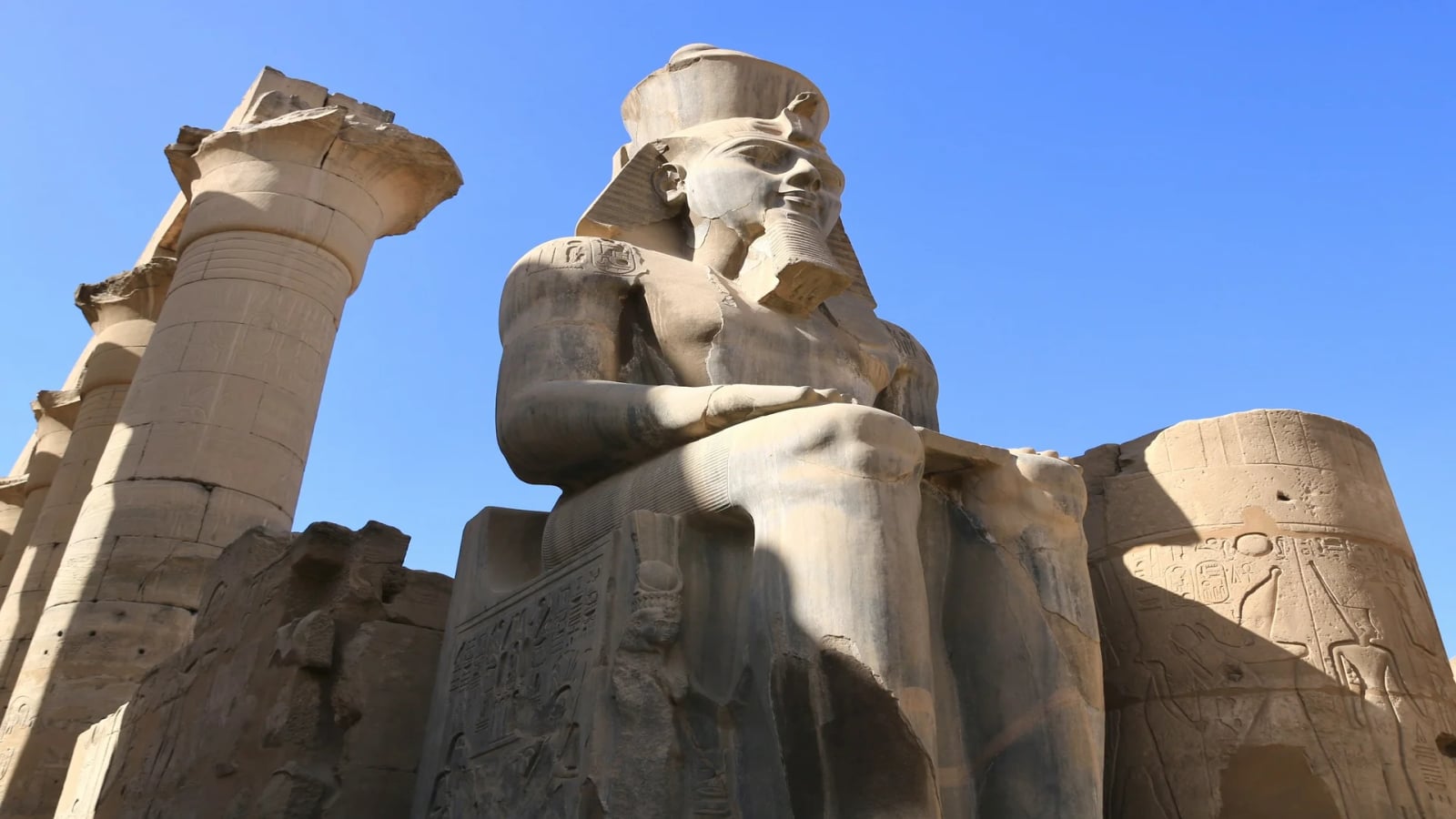
- West Bank — the Valley of the Kings (royal tombs), the Colossi of Memnon, and often the Temple of Hatshepsut.
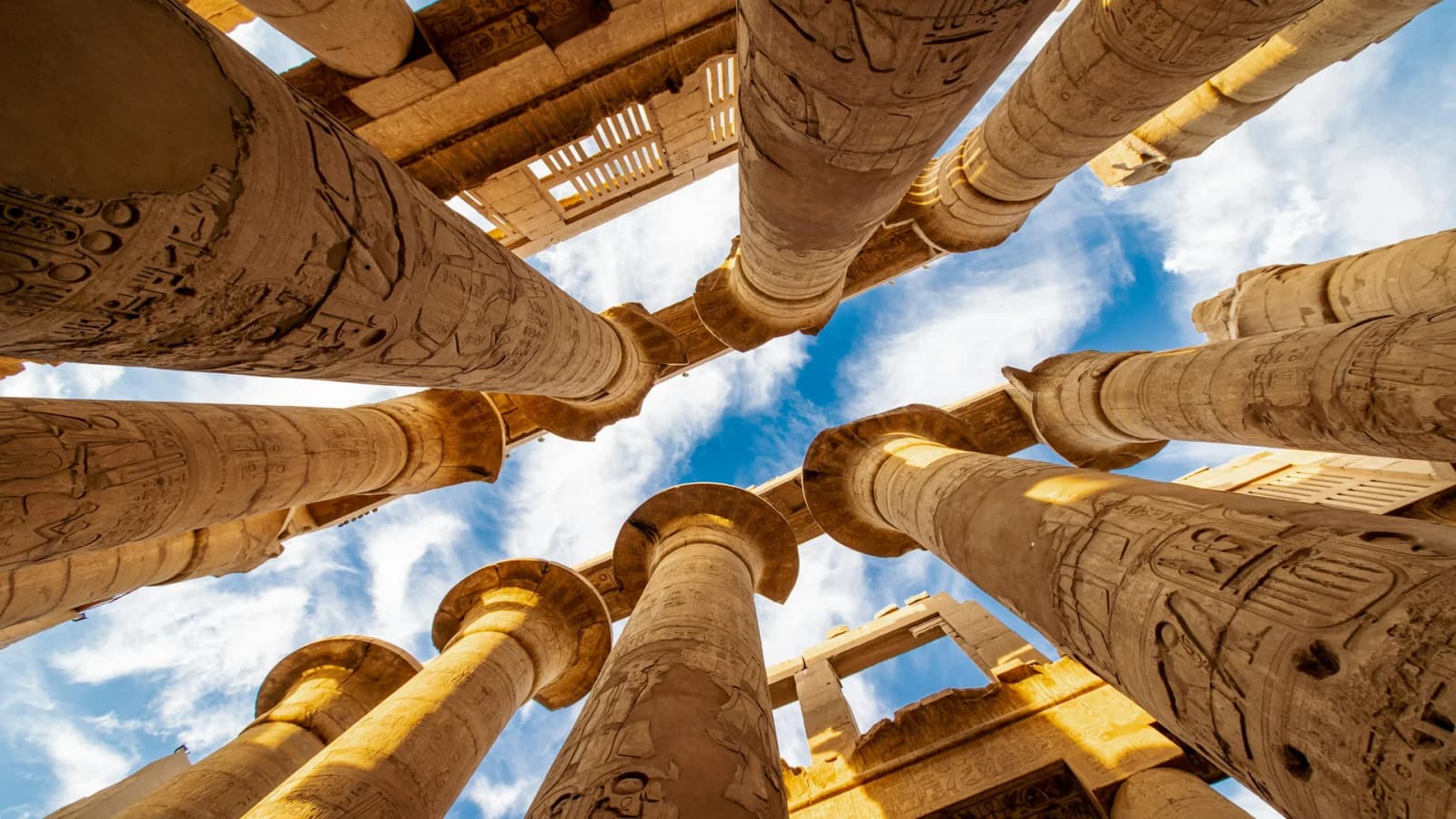
- East Bank — Karnak Temple, one of the largest religious complexes ever built, and sometimes Luxor Temple.
A guide brings these sites to life, which is why escorted tours are worth it here.
Is the Luxor day trip worth the long drive?
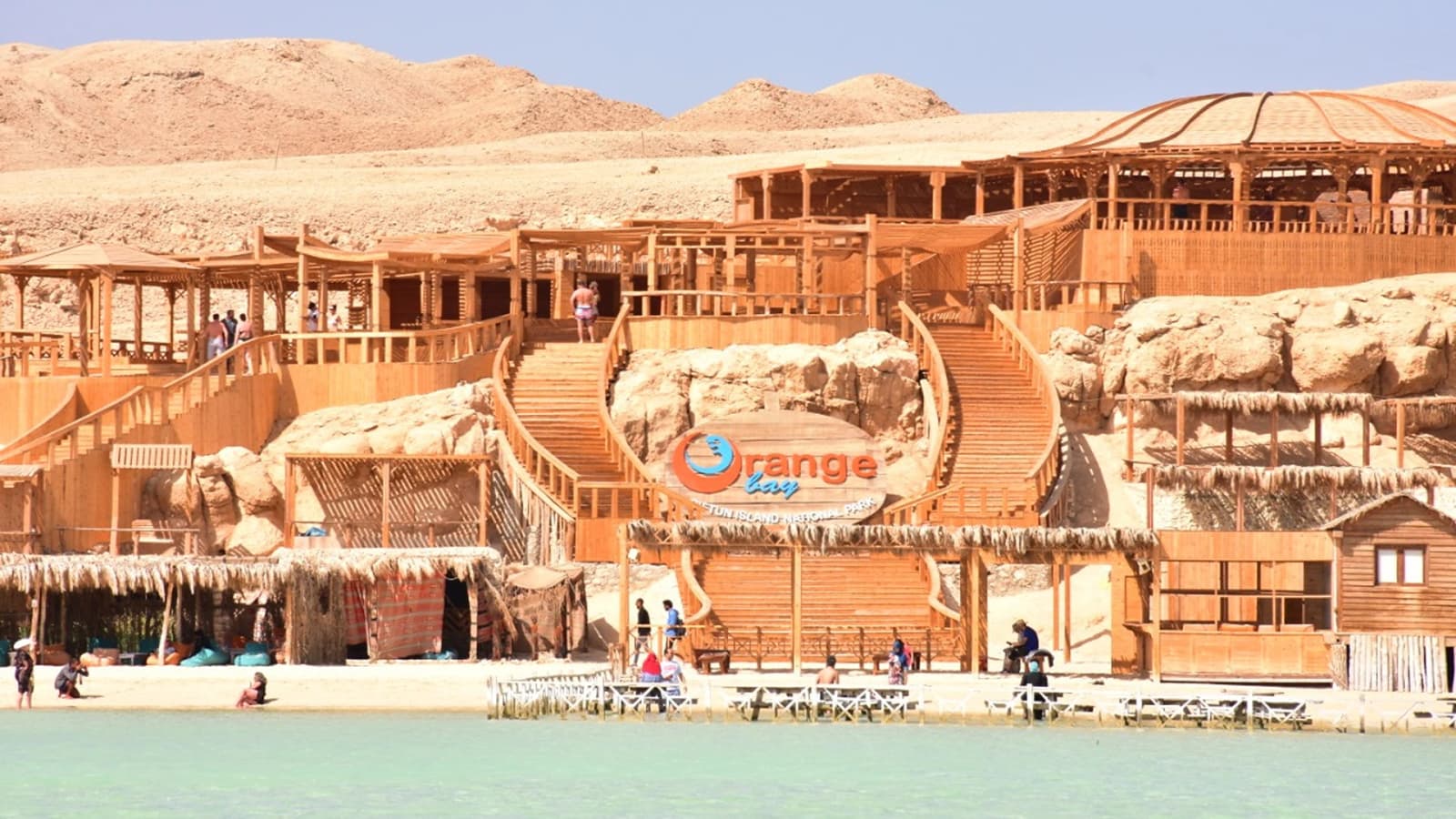
For history lovers, absolutely — Luxor's monuments are unmatched. The drive is the trade-off. To make it worth it, choose a tour with a good guide and a sensible site list rather than a rushed itinerary that tries to do too much. Recover the next day with a sea trip from the Orange Bay & Giftun Island guide.
Luxor or Cairo from Hurghada — which is better?
Choose based on what excites you:
- pick Luxor for temples, tombs, and concentrated ancient sites with a shorter (road-only) journey
- pick Cairo for the Pyramids, the Sphinx, and the big museums — see the Hurghada to Cairo day trip
Many travelers with time do both on separate days.
What should you bring?
This is a hot, dusty, walking-heavy day. Bring water, sun protection, a hat, comfortable shoes, cash for tips and tomb extras, and a light scarf for dust. Full list in the Egypt packing list.
When is the best time for a Luxor day trip?
Luxor gets extremely hot in summer, so the cooler months (roughly October–April) make the long day far more comfortable. See best time to visit Hurghada to time it well.
Final advice
A Hurghada-to-Luxor day trip delivers the deepest dose of ancient Egypt without leaving the Red Sea coast. Go with a quality guide, start early, and build a recovery day around it. Explore routes on the Luxor tours and plan the full week using the Hurghada excursions guide.